
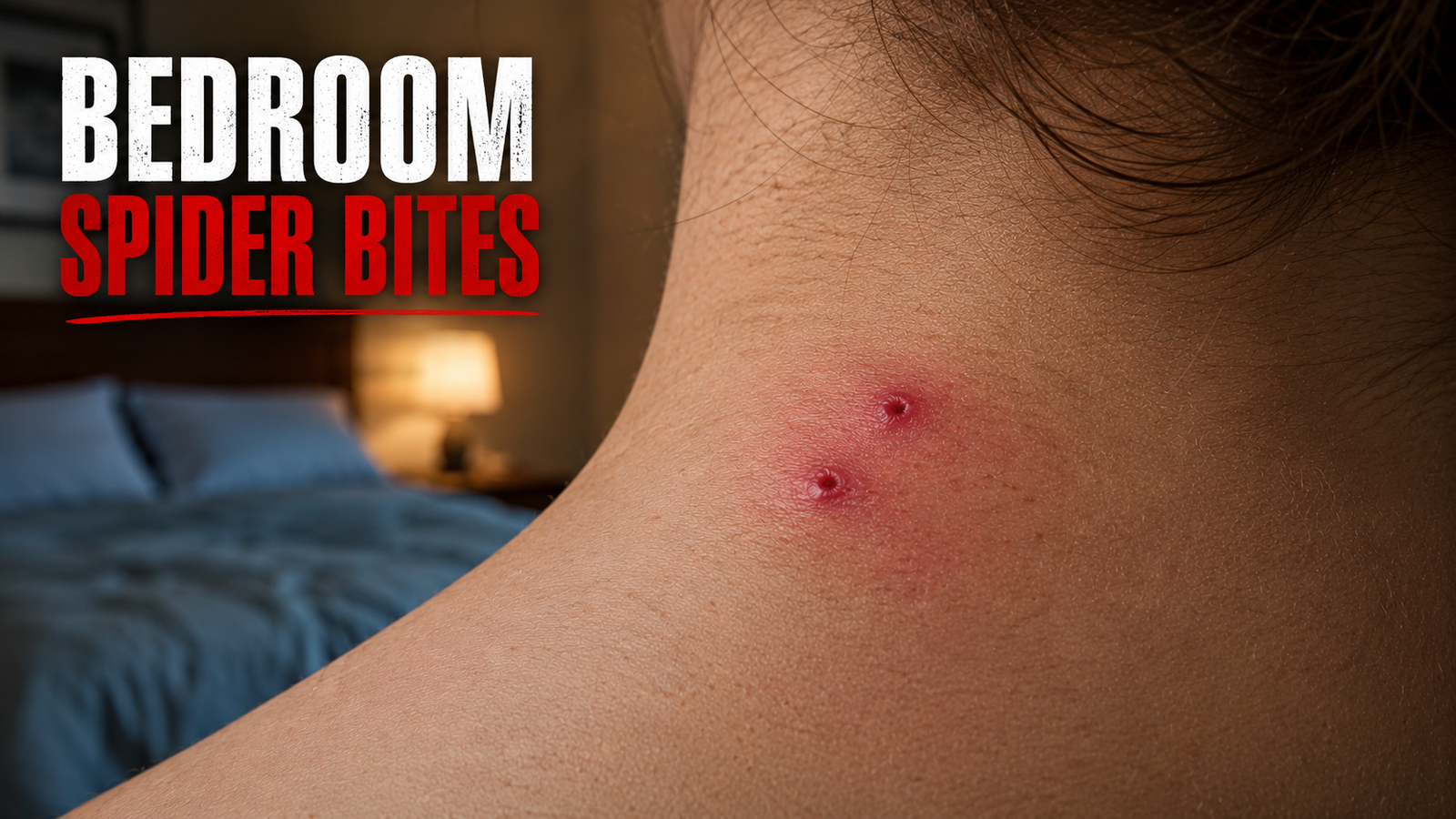
Have you ever woken up in the morning and noticed a red, itchy bump on your skin? Many people immediately assume that a spider bit them during the night. While this may seem like the most obvious explanation, the reality is often very different. The topic of bedroom spider bites is surrounded by confusion, myths, and misinformation.
Most people are surprised to learn that spiders rarely bite sleeping humans. In many cases, the marks that appear overnight are caused by other insects such as bed bugs, mosquitoes, or fleas. Understanding the difference is important because proper identification can help you take the right steps to protect your home and your family.
In this guide, you will learn what bedroom spider bites are, how to identify them, common symptoms, myths that people often believe, and practical ways to reduce the chances of insect-related bites in your bedroom.
What Are Bedroom Spider Bites?
Bedroom spider bites refer to bites that people believe were caused by a spider while they were sleeping or spending time in their bedroom. Although spiders can bite humans, such incidents are relatively uncommon.
Unlike mosquitoes, fleas, or bed bugs, spiders do not feed on human blood. Most spiders prefer to avoid people and only bite when they feel trapped, threatened, or accidentally pressed against the skin.
Because of this behavior, many skin reactions that are blamed on spiders are actually caused by other insects or unrelated skin conditions.
Do Spiders Really Bite People While Sleeping?
This is one of the most common questions people ask.
The simple answer is that it is possible, but it is not common.
Spiders generally do not seek out sleeping humans. They are not interested in human blood and have no reason to attack people. If a spider bite occurs in a bedroom, it is usually because the spider became trapped in bedding, clothing, or blankets and reacted defensively.
Many experts agree that unexplained bites discovered in the morning are more likely to be linked to bed bugs, fleas, mosquitoes, or other causes rather than spiders.
Common Signs of Bedroom Spider Bites
Spider bites can look different depending on the species involved and how a person’s body reacts. However, there are some common signs that may appear.
Typical Symptoms
- Mild redness around the bite area
- Swelling
- Itching
- Slight pain or tenderness
- Small raised bump
- Localized skin irritation
In most cases, symptoms remain mild and improve within a few days.
Less Common Symptoms
Some people may experience stronger reactions, including:
- Increased swelling
- Blister formation
- Muscle pain
- Headache
- Nausea
- Fever-like symptoms
Severe reactions are rare but may require medical attention.
How to Tell the Difference Between Spider Bites and Other Insect Bites
Many people misidentify insect bites. Understanding the differences can help you determine the likely cause.
| Feature | Spider Bite | Bed Bug Bite | Mosquito Bite | Flea Bite |
|---|---|---|---|---|
| Number of Bites | Usually single | Often multiple | Random | Multiple |
| Pattern | Isolated | Line or cluster | Scattered | Small groups |
| Itching | Mild to moderate | Often intense | Moderate | Strong |
| Common Location | Any exposed area | Arms, neck, shoulders | Exposed skin | Legs and ankles |
| Night-Time Occurrence | Rare | Very common | Common | Possible |
This comparison shows why many people mistake bed bug bites for bedroom spider bites.
Why People Often Think Spiders Are Responsible
There are several reasons why spiders get blamed for unexplained skin marks.
Lack of Visible Evidence
Most people discover bites after waking up. Since they did not see what caused the bite, they often assume a spider was responsible.
Presence of Spiders in the Room
Finding a spider in the bedroom can easily lead someone to connect it with a skin reaction, even when there is no evidence that the spider caused it.
Similar Appearance
Many insect bites look alike. Red bumps, itching, and mild swelling can result from several different causes.
Popular Myths
Movies, television, and internet stories have contributed to the belief that spiders frequently bite people while they sleep. In reality, this happens far less often than most people think.
Common Places Where Spiders Hide in Bedrooms
Although spiders are usually harmless, they can occasionally enter bedrooms in search of shelter or insects.
Common hiding spots include:
- Corners of ceilings
- Behind furniture
- Under beds
- Inside closets
- Around window frames
- Behind curtains
- Storage boxes
- Piles of clothing
Knowing where spiders tend to hide can help reduce unwanted encounters.
What Causes Spiders to Enter Bedrooms?
Spiders generally enter homes for practical reasons rather than to interact with humans.
Search for Food
Many insects are attracted to indoor lights. Since insects are a food source for spiders, they may follow them inside.
Shelter
Bedrooms provide warmth, darkness, and protection from weather conditions.
Open Entry Points
Small gaps around doors, windows, and vents can allow spiders to enter easily.
Clutter
Clutter creates excellent hiding places and can encourage spiders to remain indoors.
What to Do If You Suspect a Spider Bite
If you believe you may have experienced bedroom spider bites, follow these simple steps.
Clean the Area
Wash the affected area gently with soap and water.
Apply a Cold Compress
A cold pack can help reduce swelling and discomfort.
Avoid Scratching
Scratching may increase irritation and raise the risk of infection.
Monitor Symptoms
Keep an eye on the bite area over the next few days. Most mild bites improve without special treatment.
Seek Medical Help When Necessary
Consult a healthcare professional if you notice:
- Severe pain
- Rapid swelling
- Difficulty breathing
- Fever
- Signs of infection
- Worsening symptoms
Prompt medical attention is always recommended when symptoms become severe.
Are Bedroom Spider Bites Dangerous?
Most bedroom spider bites are not dangerous.
The majority of spiders found inside homes have venom that causes little or no significant harm to humans. Mild redness, swelling, and itching are usually the most common effects.
Serious reactions are uncommon and generally associated with specific spider species. Even then, severe cases remain relatively rare.
For most people, simple home care is sufficient and symptoms gradually improve within a few days.
For regular updates about the AI, AI tools, AI guides, technology & more. Visit, The TechUnfoldedAi.com.
Leave a Reply